FABRIC & FIT
280 GSM vs 400 GSM Hoodie Fabric
How garment weight changes drape, structure, warmth, print behaviour and the final streetwear silhouette.
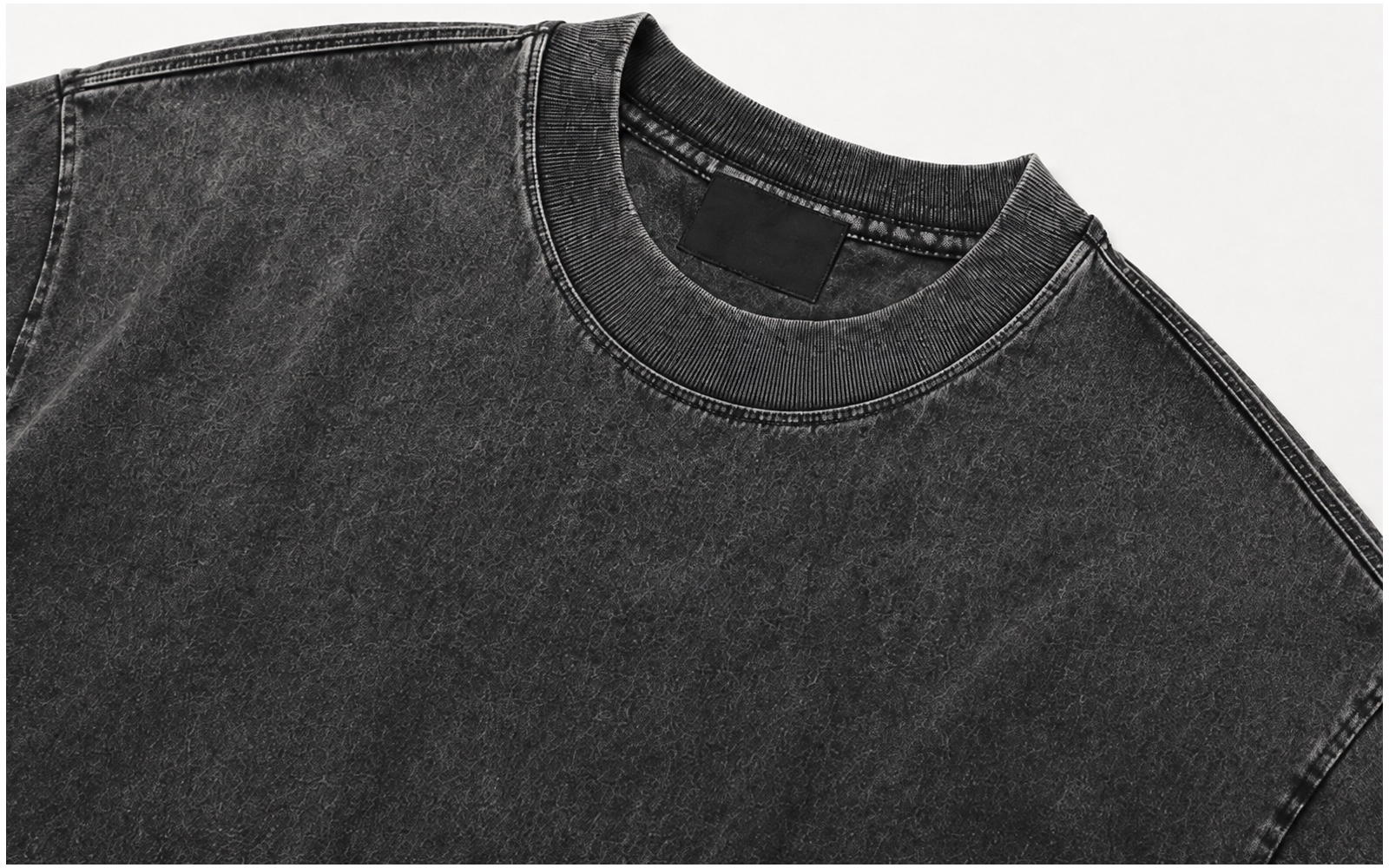
GSM measures fabric weight per square metre. It is useful for comparing fabrics, but it does not describe yarn quality, density, surface finishing or composition. Two fabrics with the same GSM can still feel and perform differently.
280 GSM
A 280 GSM fleece or French terry usually creates a lighter, more flexible layer. It can work well for transitional weather, relaxed silhouettes and products that need easier movement. It may drape more around the body and feel less rigid at the hood and hem.
400 GSM
A 400 GSM fabric usually produces more structure and warmth. It can support oversized, boxy silhouettes and substantial hoods, but the pattern, seam construction and rib still need to be balanced for the added weight.
Decoration and wash
Heavy embroidery needs suitable stabilisation on both weights. Screen and puff printing should be tested on the actual fabric surface. Pigment and vintage washes can change hand feel, color and measurements, so the approved sample should use the intended bulk fabric and finishing route.
Compare measurable properties
When choosing between two fabrics, request swatches or sample garments and record more than the supplier’s nominal GSM. Compare composition, finished width, face texture, stretch, recovery, pilling tendency and shrinkage after the care method intended for the final garment. Weigh a conditioned fabric sample when an exact GSM check matters.
For brushed fleece, inspect interior shedding and the evenness of the brushed surface. For French terry, review loop definition and snagging. Check whether the fabric becomes noticeably stiffer, softer or lighter after garment wash.
Adjust construction for the weight
A 400 GSM hoodie can need stronger needle and thread selection, controlled seam bulk and rib with enough recovery to support the body. Pocket openings and hood seams deserve special attention. A 280 GSM hoodie may need stabilisation where heavy embroidery or hardware could pull the fabric.
The pattern should be tested in the actual fabric. Substituting a heavier material after fit approval can change drape, ease, hood balance and finished measurements.
How to choose
Choose based on the customer, season and silhouette rather than assuming heavier is always better. Consider:
- Target climate and layering use
- Desired drape or structure
- Hood construction
- Print or embroidery weight
- Garment wash
- Shipping weight and price position
Metro can source and test multiple fabric weights during development so the final choice is based on a physical sample rather than a GSM number alone.