MANUFACTURING GUIDE
How to Choose a Private Label Streetwear Manufacturer
A practical framework for comparing sampling ability, material sourcing, communication, quality control and production readiness.
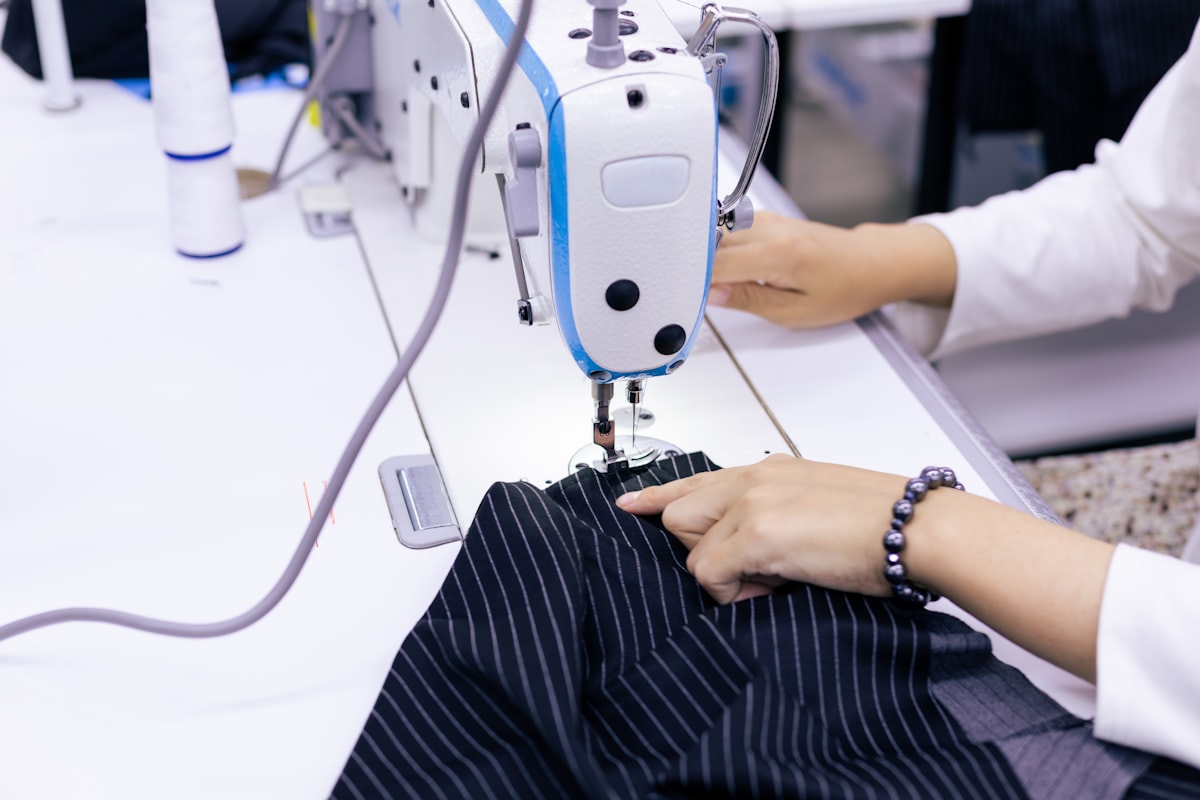
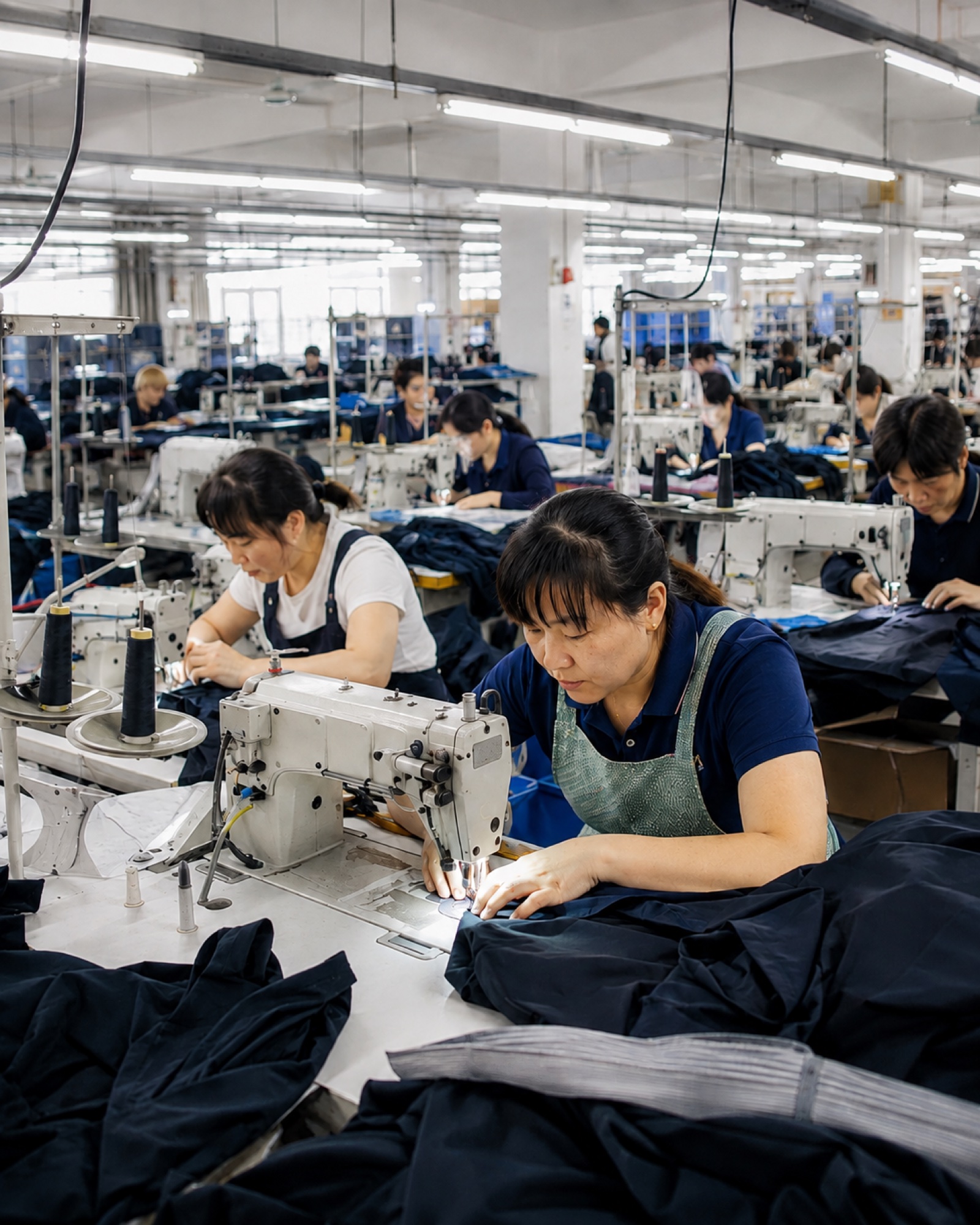
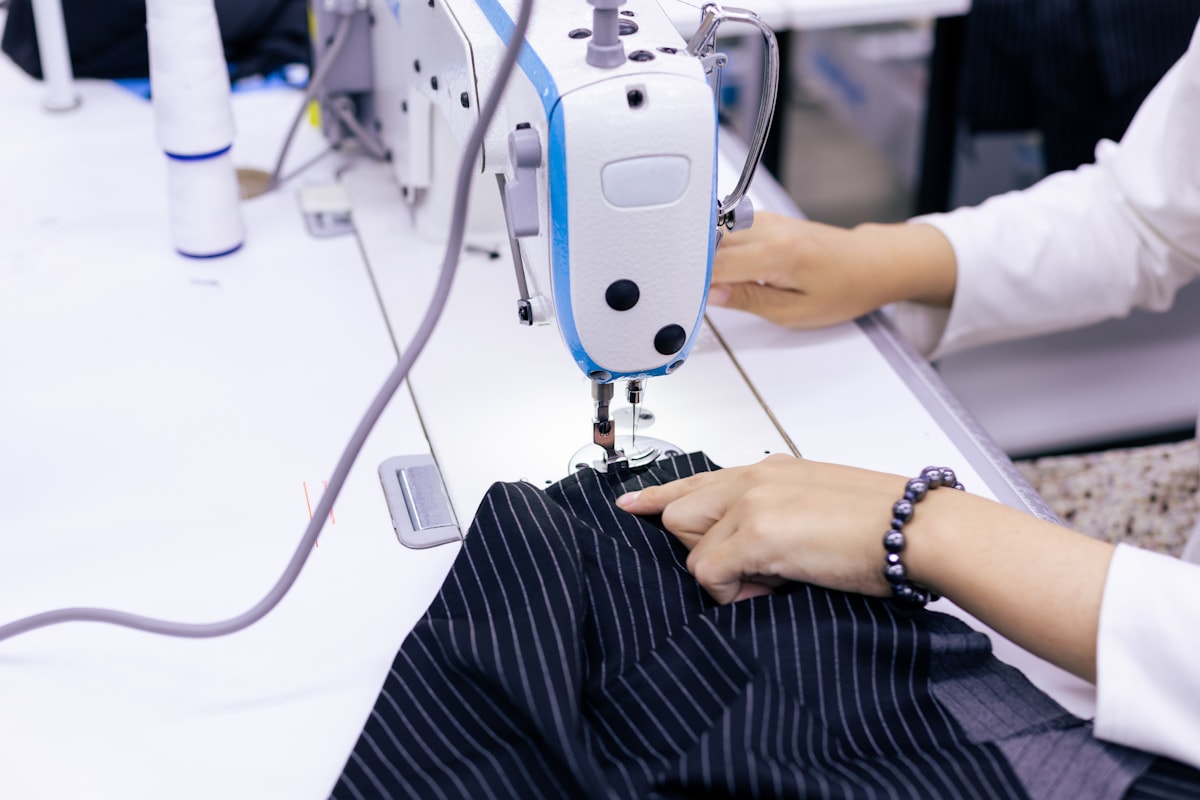
A good manufacturing partner should do more than quote a garment. The right team helps translate creative direction into a repeatable product standard, then protects that standard through bulk production.
Start with development ability
Ask how the factory handles an incomplete tech pack, reference garment or rough sketch. A capable development team should be able to explain the missing decisions: fabric composition, weight, measurements, construction, trims, decoration and wash. The objective is not to make decisions for your brand, but to make every decision visible before sampling begins.
Compare samples, not promises
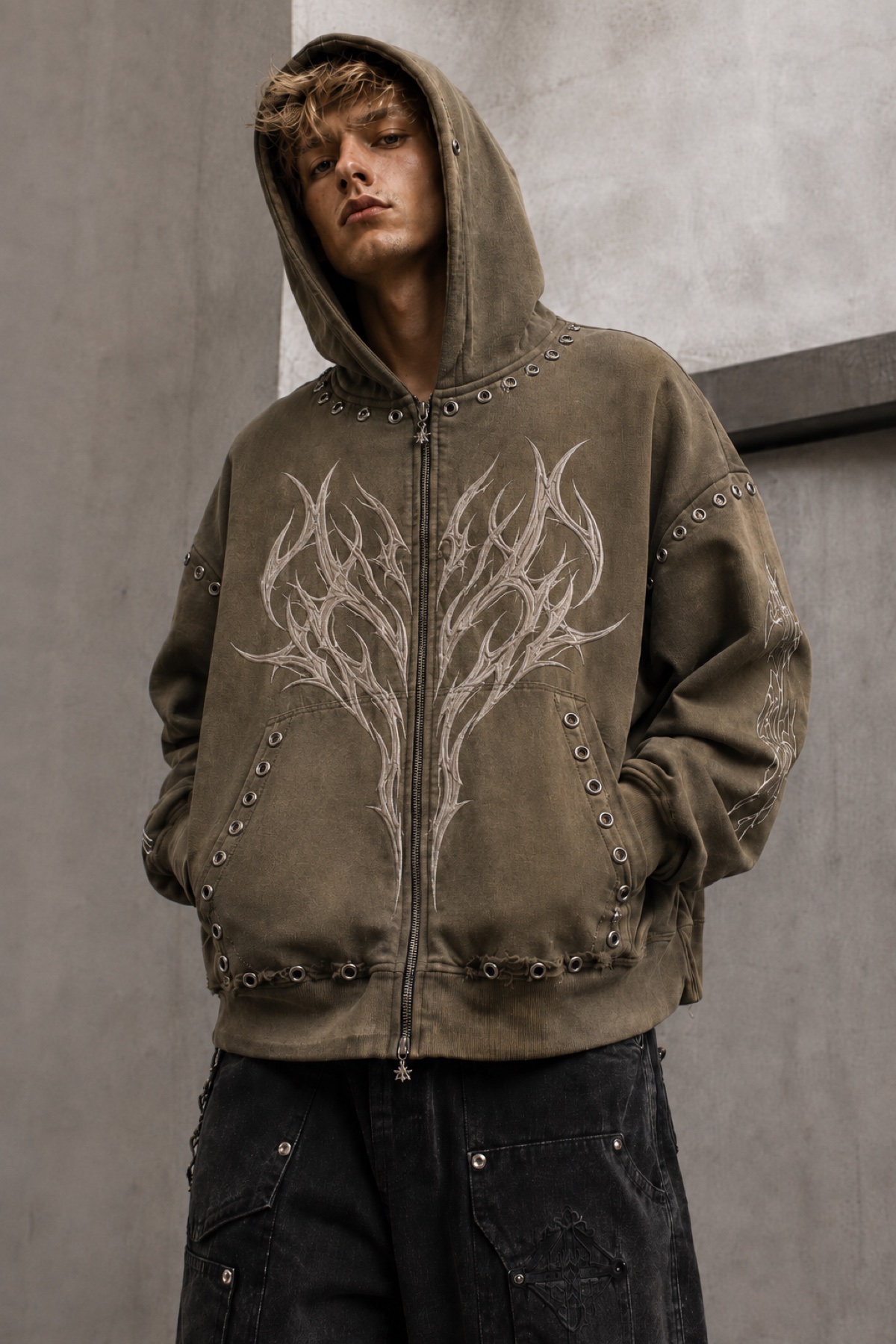
Request examples that are close to your intended category and technique. A factory that produces simple jersey tees may not be the right choice for washed outerwear, appliqué or multi-panel construction. Review stitching, measurement consistency, print hand feel, embroidery backing and wash results.
Confirm the production standard
Before bulk production, you should approve a physical sample, measurement sheet, artwork placement, colors and packaging requirements. Ask how these approvals are recorded and communicated to the production floor.
Questions worth asking
- What information do you need before quoting?
- Can you source fabric, trims, labels and packaging?
- What is the MOQ per style and color?
- How long do sampling and bulk production usually take?
- How are measurements checked during production?
- Who communicates revisions to the sample room?
- Can you show relevant production examples?
Look for clear communication
Fast replies are useful, but clear replies matter more. Your contact should identify trade-offs and confirm what is included in the price. Material, technique, quantity, packaging and delivery terms should be written down before production begins.
Validate with production evidence
Ask for evidence that matches the work you intend to order. Useful evidence is specific: a close-up of the seam finish, a measurement report, a print strike-off, an embroidery backing, a wash test or a packed shipment. A broad gallery can show visual range, but it does not prove that the same team can control your fabric, fit and technique.
When reviewing a sample, record the approved garment measurements, tolerance, fabric reference, color standard, artwork dimensions, placement from fixed seams, label position and packaging. Photograph the approved sample from consistent angles. These records reduce subjective decisions later.
Watch for preventable warning signs
- A bulk quotation is offered before fabric, decoration and quantity are understood
- The minimum order is described without clarifying whether it is per style, color or artwork
- Sampling starts without written measurements or a reference fit
- Changes are accepted through scattered messages without a consolidated revision list
- The team cannot explain how an approved sample becomes the bulk standard
- Delivery timing excludes material booking, revisions, quality control or shipping
Use a comparable quotation
Send the same brief to every shortlisted manufacturer. Include the product, fabric direction, quantity, colors, sizes, decoration, labels, packaging and destination. Compare what each quotation includes rather than choosing the lowest headline figure. A lower quote may exclude custom dyeing, wash, sample revisions, packaging or freight.
Metro’s working benchmark is a 100-piece minimum per style, 7–10 days for a typical sample and 15–30 days for bulk production after approval. Complexity, material availability and revision rounds can change those timings, so the confirmed quotation and production plan remain the final reference.
Metro develops private-label streetwear from references, artwork or complete tech packs. Our standard minimum is 100 pieces per style, with sampling typically taking 7–10 days depending on complexity.