LOW MOQ GUIDE
How a 100-Piece Clothing Order Actually Works
What emerging brands should prepare before developing a 100-piece private-label order—from product decisions to sampling and bulk approval.
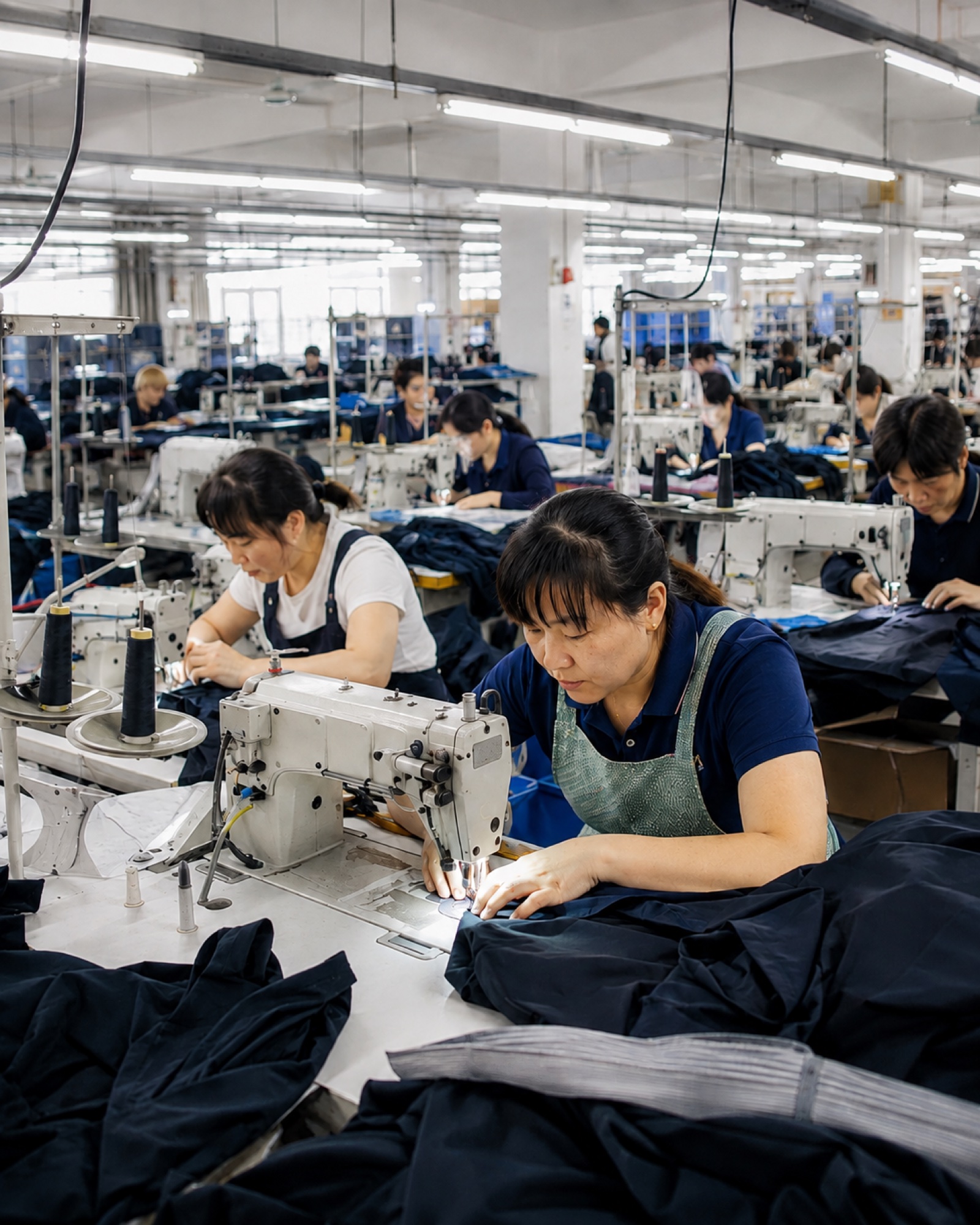
A 100-piece order is large enough to use custom materials, labels and decoration, but small enough that every unnecessary variation affects cost and production efficiency. The best first order is focused and clearly specified.
Define one strong style
Begin with one product, one approved fit and a controlled color range. Adding several fabrics, washes or artwork placements can split the production run into smaller groups and increase setup work.
Prepare the essential references
You do not need a perfect tech pack to begin a conversation. Useful starting information includes:
- Front, back and detail references
- Artwork files or placement mockups
- Target garment measurements
- Preferred fabric weight and composition
- Quantity by color and size
- Target delivery date and destination
Sampling comes before bulk
The sample confirms fit, construction, fabric, trims, wash and decoration. Comments should be specific and consolidated into one revision list. Once approved, the sample and measurements become the bulk production standard.
Understand what affects cost
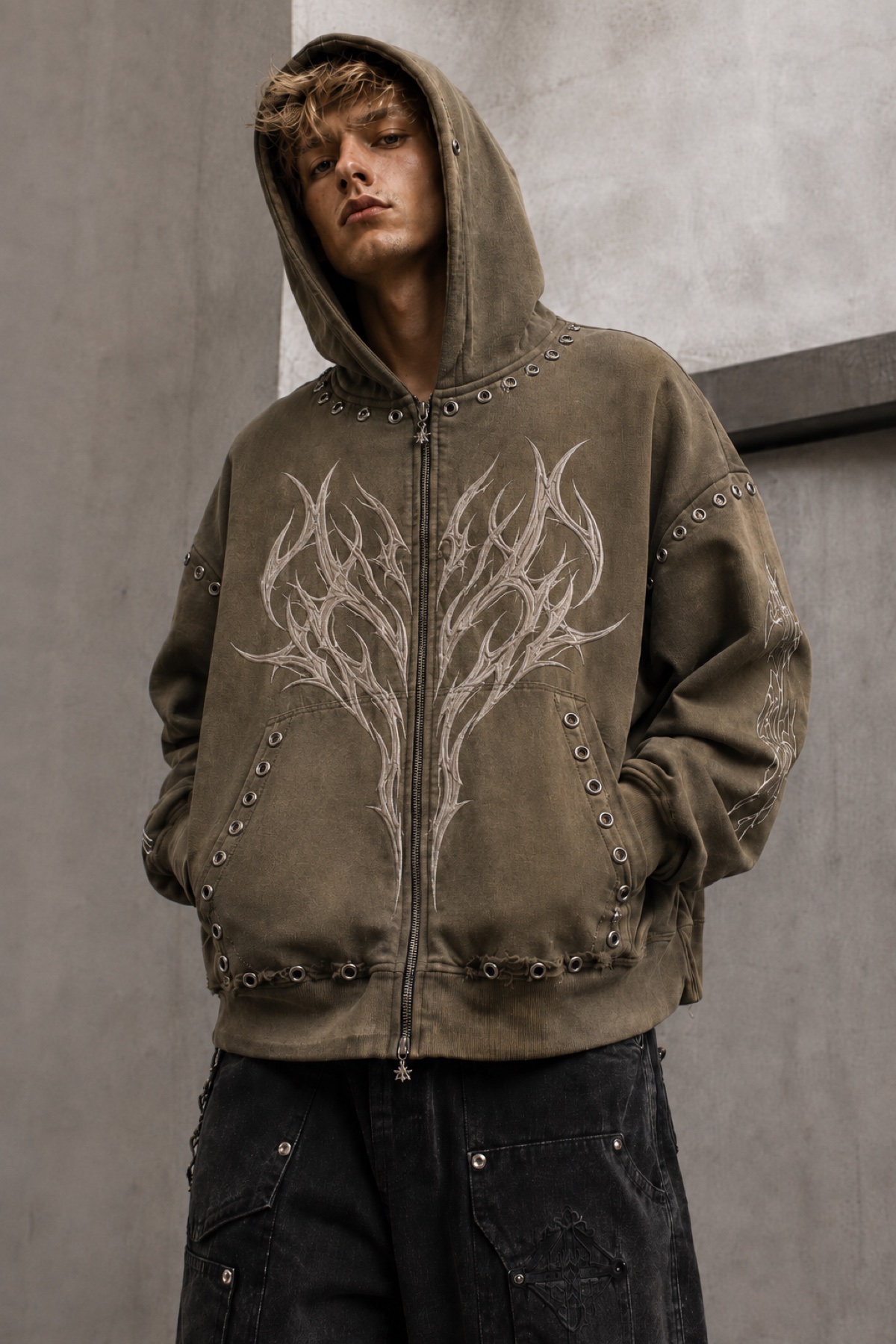
The biggest variables are fabric, garment complexity, decoration, wash treatment, trims, packaging and quantity. A simple heavyweight tee with one print has a different cost structure from a washed multi-panel hoodie with appliqué and custom hardware.
Allocate the 100 pieces clearly
The minimum is normally discussed per style. Your size breakdown should reflect the audience rather than splitting evenly by habit. Confirm whether the same fabric and artwork are used across all colors, because custom dye lots, print screens and trims may create additional minimums. A clear quantity table should show color in rows, sizes in columns and a verified total.
Avoid approving quantity only in a chat message. Put the final color, size and unit breakdown into the purchase order or production confirmation. This is also the place to confirm spare labels, individual polybags, carton marks and delivery destination.
Set approval gates
A controlled first order has several visible decisions:
1. The quotation confirms specification and commercial terms. 2. The development sample confirms the direction. 3. A revised or pre-production sample confirms final fit, fabric, color and decoration. 4. The written bulk standard records measurements, tolerances and packaging. 5. Production begins only after written approval.
If a fit or technique changes after approval, confirm the cost and schedule impact before work continues. One late change can affect patterns, material consumption, print screens, labels and delivery timing.
Plan the schedule backwards
Allow time for material confirmation, sampling, feedback, revisions, bulk production, final inspection and shipping. Metro sampling commonly takes 7–10 days and bulk production 15–30 days after approval, depending on the product and materials.
Work backwards from the required arrival date, not the launch announcement. Add shipping and customs time after production, then leave a decision buffer for sample feedback. A sample can only stay within the expected window when artwork, measurements and comments arrive on time.
Before paying the bulk deposit, confirm the approved sample reference, final quantity, unit price, payment terms, production lead time, inspection method, packing instructions and shipping responsibility. These checks make a 100-piece run easier to repeat when the style is reordered.
For a first 100-piece project, clarity is more valuable than variety. A focused style creates a reliable product standard that can be expanded into future colors and categories.