PRODUCT DEVELOPMENT
Custom Hoodie Manufacturing: From Fabric to Final Fit
The key decisions behind a premium private-label hoodie, including fleece weight, shrinkage, hood shape, rib, construction and decoration.
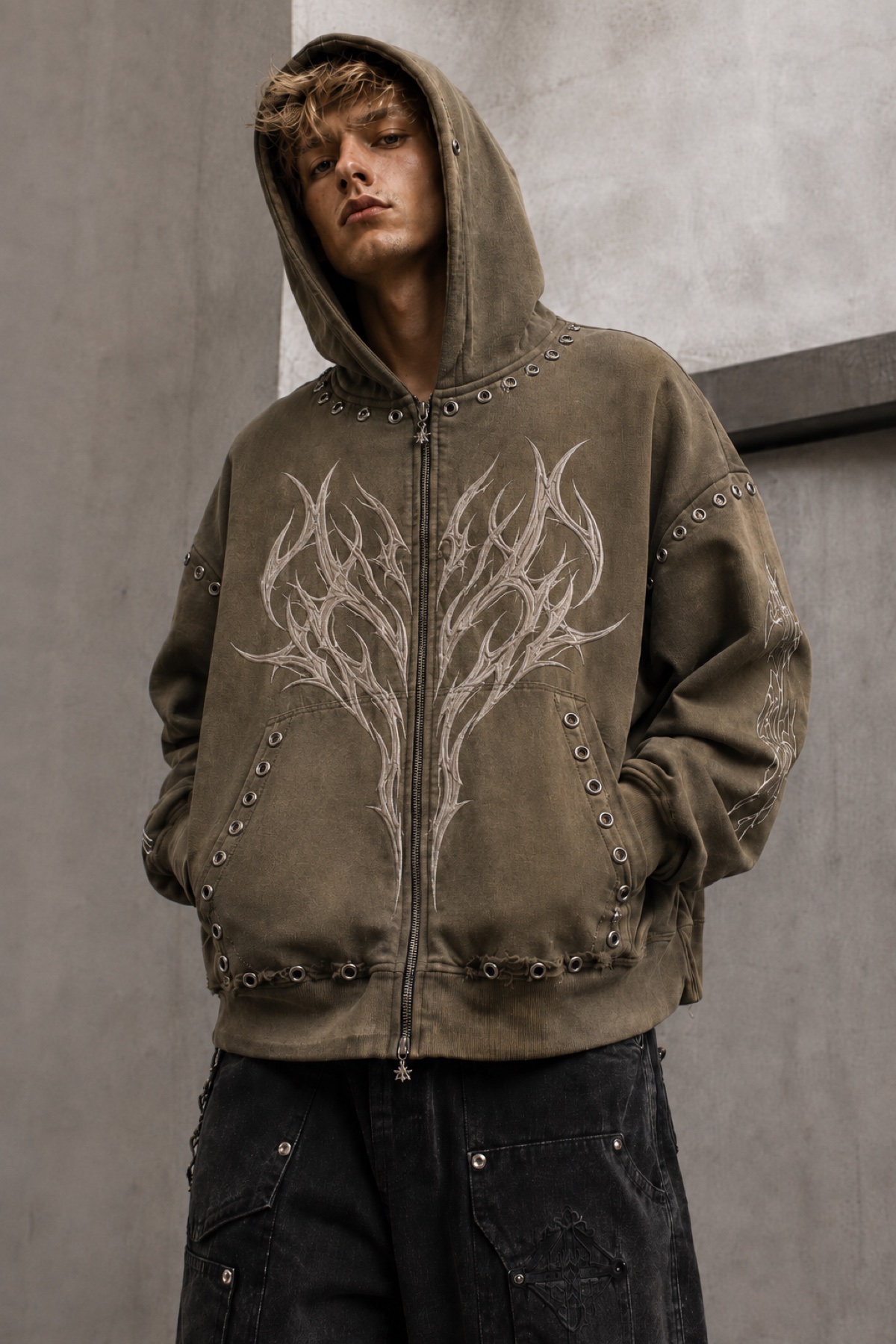
A premium hoodie is defined by proportion and structure as much as by fabric weight. Two garments made from the same fleece can feel completely different when the hood, shoulder, body length and rib tension change.
Choose the fabric around the result
French terry gives a looped interior and works well for transitional layers. Brushed fleece creates a softer, warmer interior. Higher GSM can add structure, but weight alone does not guarantee quality. Yarn, knitting density, finishing and shrinkage control all affect hand feel.
Build the silhouette
Important measurements include chest width, shoulder, body length, sleeve length and cuff opening. For an oversized streetwear fit, the balance between width and length matters. A wider body with a conventional length may look loose rather than intentionally boxy.
Develop the hood and rib
The hood can be single or double layer, crossed at the front or finished with a drawcord. Its height and depth affect how it sits when worn down. Rib composition and recovery influence the hem shape, cuff tension and how the garment holds its proportion after washing.
Match decoration to the fabric
Puff print, screen print, appliqué and embroidery behave differently on fleece. Heavy decoration may need backing, stabilisation or adjusted placement to avoid distortion around seams and pockets.
Test shrinkage and color before grading
The same pattern can finish at different measurements after brushing, garment dyeing, pigment wash or enzyme wash. Development should identify whether measurements are taken before or after wash and which sample represents the finished standard. For a washed hoodie, compare chest, body length, sleeve length and hood dimensions before and after the intended process.
Color should be approved under consistent light. A screen color, a fabric swatch and a washed garment can look different, so the physical sample is the safest final reference. If rib and body fabric use different fibre blends, check that they remain visually aligned after washing.
Record construction details
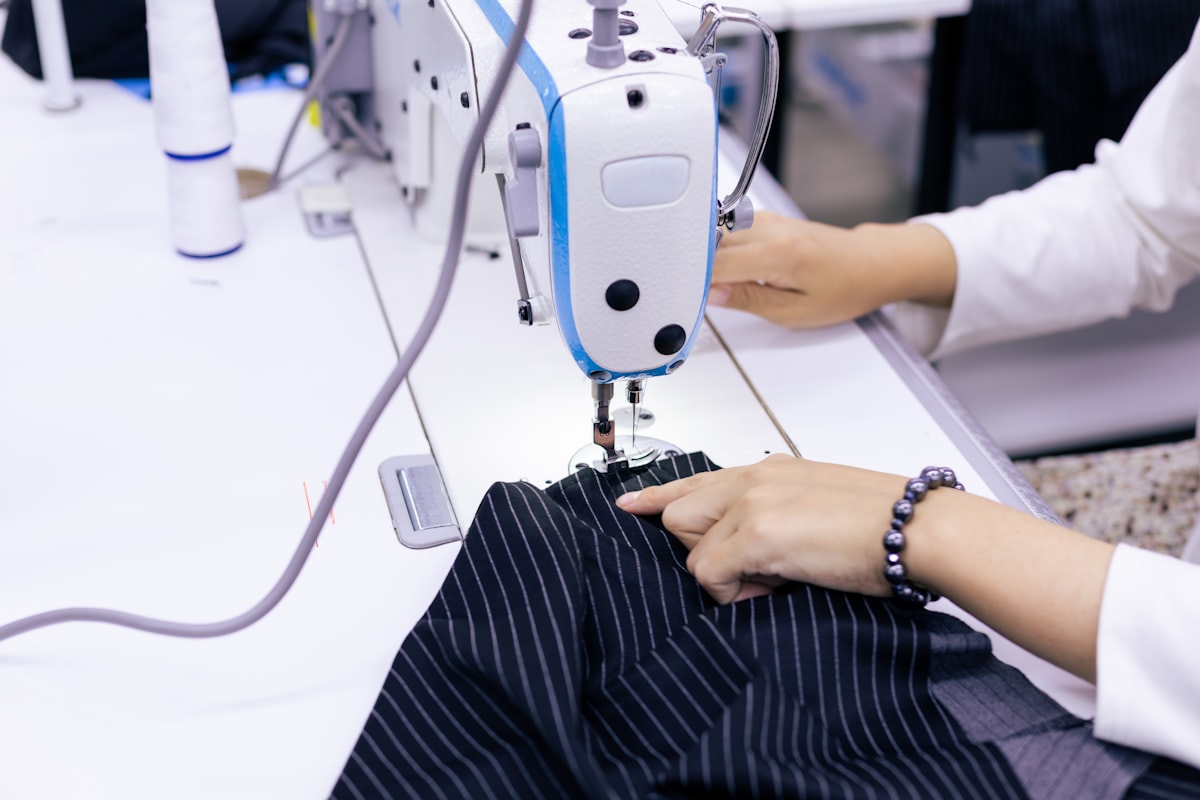
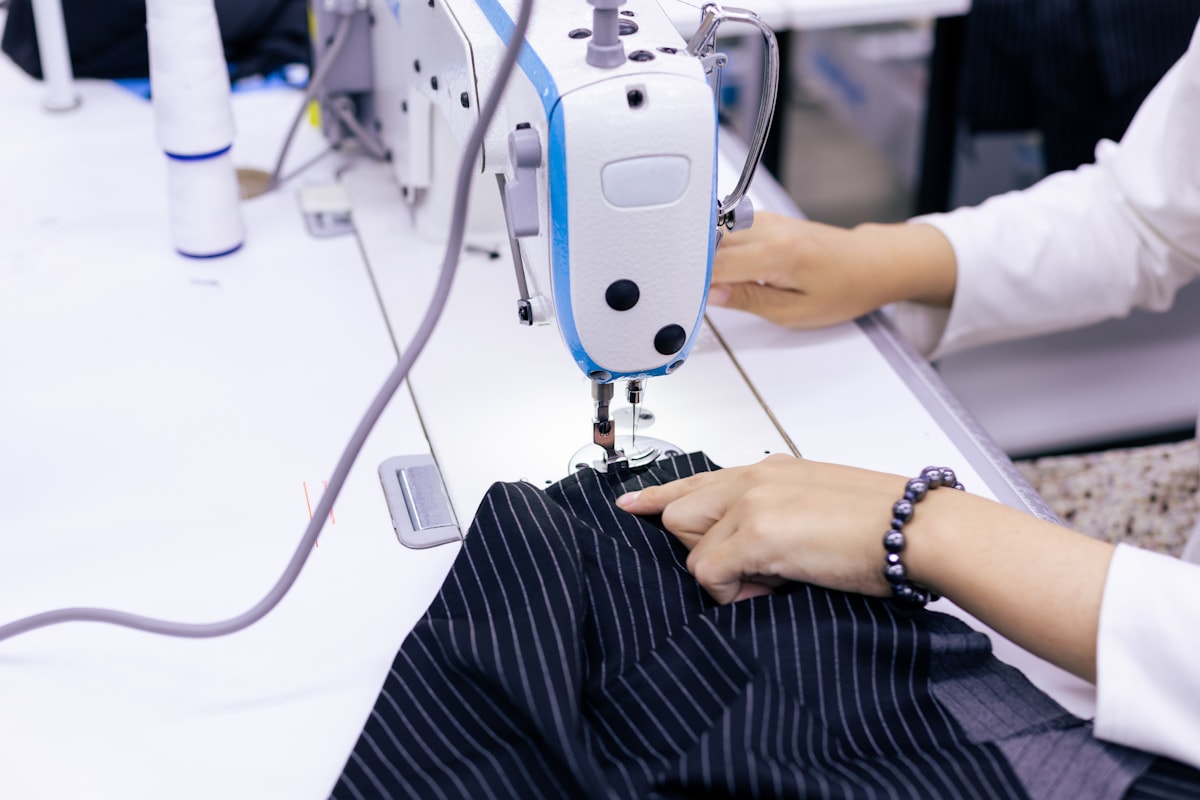
Specify seam type, topstitching, pocket reinforcement, zipper length, drawcord finish and label position. On heavier fleece, bulky seam intersections may need a different construction or machine setup. A double-layer hood also changes weight at the neckline and should be balanced against the body fabric.
Approve the complete sample
Check the sample after measuring and wearing it. Review hood balance, shoulder drop, pocket position, rib recovery, artwork placement and wash appearance. These details should be recorded before bulk production.
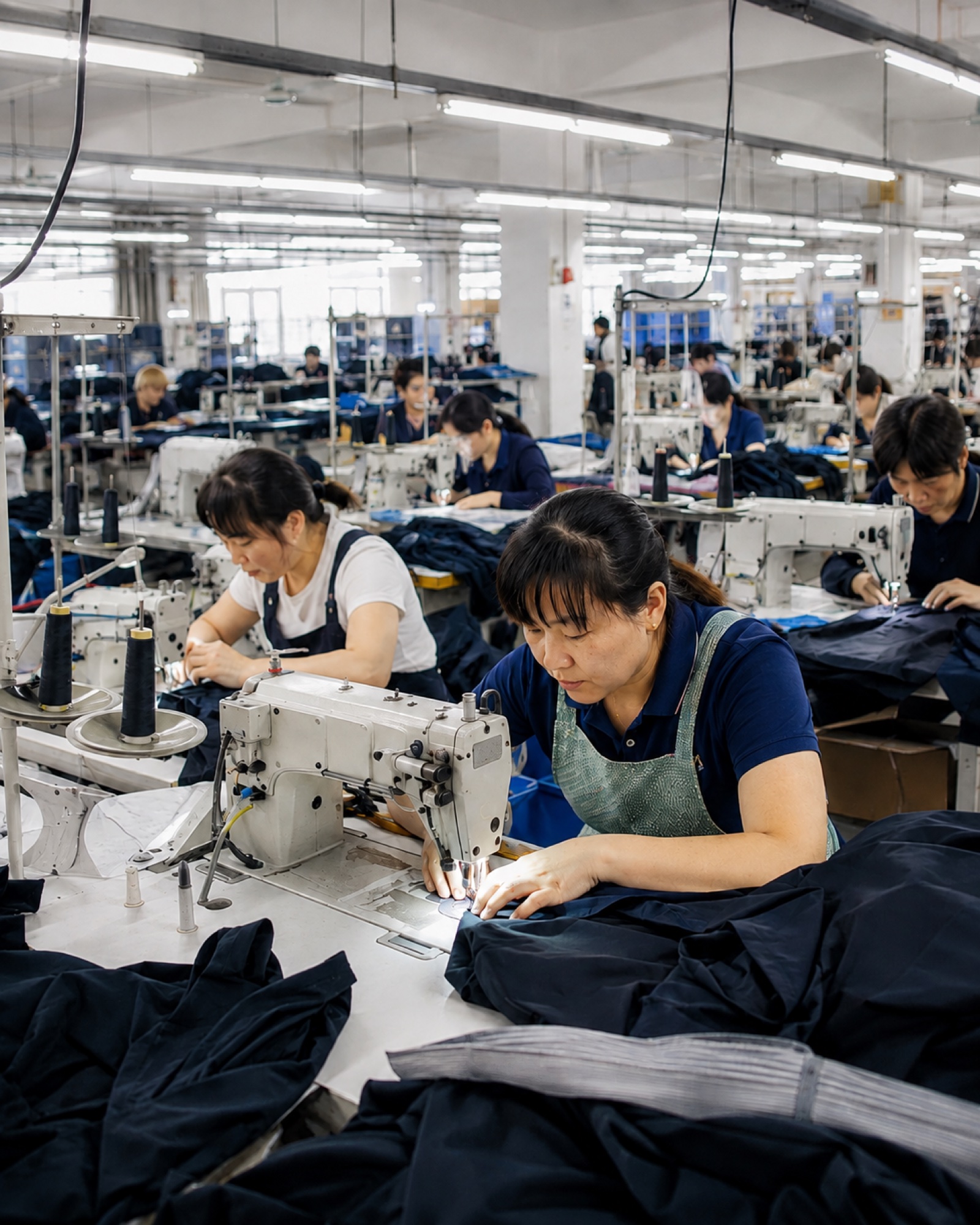
During bulk production, Metro uses the approved sample and measurement sheet as the working reference. In-line checks should catch construction and placement issues before every garment is complete; final checks then verify measurements, workmanship, decoration, packing and quantity. Sampling typically takes 7–10 days and bulk production 15–30 days after approval, depending on fabric and technique.
Metro develops pullover and zip hoodies with custom fabrics, panels, washes, trims, labels and decoration from 100 pieces per style.